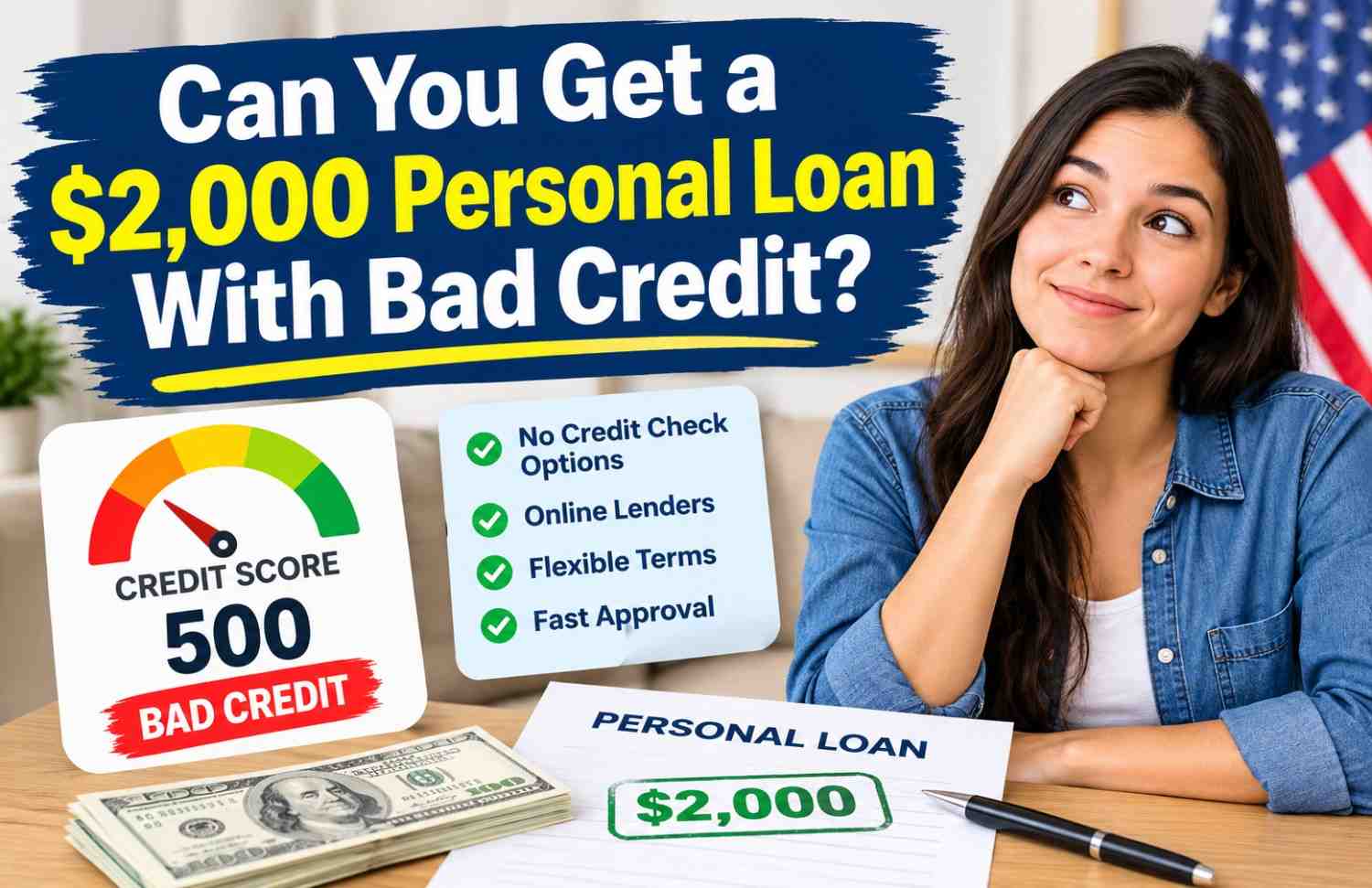
A 500 credit score is considered “poor” by most scoring models, and it can make borrowing feel out of reach. The good news: it’s not impossible. Lenders that specialize in subprime borrowers exist, and there are concrete steps you can take to improve your odds of approval — even without a cosigner. This guide walks through what’s realistic, where to look, and how to protect yourself from predatory offers along the way.
Where You Stand With a 500 Credit Score
FICO scores range from 300–850, and a 500 falls in the “poor” tier (typically below 580). At this level:
- Most traditional banks and credit unions will decline your application, or offer very high rates
- You’ll likely see APRs well above 30%, sometimes into the triple digits with predatory lenders
- Loan amounts offered tend to be smaller
- Approval is possible, but the pool of realistic lenders is narrower
None of this means you’re out of options — it just means you need to know where to look and what to watch for.
1. Check Online Lenders That Specialize in Bad Credit
Several online lenders focus specifically on borrowers with low credit scores and don’t require a cosigner. These lenders typically weigh income, employment history, and bank account activity more heavily than your credit score alone. Compare:
- Interest rates (APR) — get the full APR, not just a “starting rate”
- Origination fees — some lenders deduct these upfront, reducing what you actually receive
- Repayment terms — shorter terms mean higher payments but less total interest
- Funding speed — many bad-credit lenders fund within 1–2 business days
Always prequalify with multiple lenders (most use a soft credit check for this step) before submitting a full application, which usually triggers a hard inquiry.
2. Look Into Credit Union Payday Alternative Loans (PALs)
Federal credit unions offer PALs, which are designed as an affordable alternative to payday loans:
- Loan amounts typically range from $200–$2,000
- APRs are capped at 28% by regulation
- Terms run 1–12 months
- You usually need to be a credit union member for at least a month first
This is one of the more consumer-friendly options if you have access to a credit union.
3. Consider a Secured Personal Loan
If you have a savings account, CD, or other asset, a secured loan uses that as collateral instead of a cosigner. Because the lender has recourse to seize the collateral if you default, approval is easier and rates are usually lower than unsecured bad-credit loans. The trade-off is that your asset is at risk if you can’t repay.
4. Try a Credit-Builder Loan First (If You Can Wait)
If your need isn’t urgent, a credit-builder loan can raise your score enough to unlock better terms later. With these, the loan amount is held in a locked account while you make payments, and you receive the funds (plus, sometimes, the interest back) once it’s paid off. It won’t solve an immediate cash need, but it strengthens your position for future borrowing.
5. Explore Peer-to-Peer (P2P) Lending Platforms
P2P platforms connect individual investors with borrowers and sometimes have more flexible underwriting than banks. Approval and rates still depend on your full financial picture, not just your score, so it’s worth comparing offers here alongside online lenders.
6. Get a Cash Advance App or Employer Advance (For Smaller, Short-Term Needs)
For smaller amounts, some employers offer earned-wage access, and several apps offer short-term advances against your next paycheck — often with low or no interest. These aren’t a substitute for a real personal loan, but they can bridge a gap without a hard credit check.
What Improves Your Approval Odds
Even without a cosigner, a few things strengthen your application:
- Stable income — consistent employment or verifiable income history matters more to subprime lenders than your score
- Low existing debt-to-income ratio — shows you can handle a new payment
- A checking account in good standing — many lenders check for overdrafts or negative balances
- Requesting a smaller amount — smaller loans are easier to approve and often carry better terms proportionally
Red Flags to Watch For
Because “500 credit score loans” is a heavily targeted search term, it attracts predatory offers. Be cautious of:
- Lenders who guarantee approval before checking any of your information
- Upfront fees required before you receive funds
- APRs disclosed only after you’ve submitted personal information
- Unlicensed lenders — verify state licensing before applying
- Pressure to decide immediately
The Bottom Line
A 500 credit score limits your options but doesn’t eliminate them. Bad-credit online lenders, credit union PALs, secured loans, and P2P platforms all offer realistic paths to approval without a cosigner. Compare total cost (not just the headline rate), prequalify wherever possible, and be wary of any lender that skips the usual verification steps — that’s often a sign of a bad deal rather than a generous one.
This article is for general informational purposes and isn’t financial advice. Loan terms, availability, and regulations vary by state and lender, so confirm current details directly with any lender you’re considering.

Leave A Comment